
Email Support
admin@police.kn
2





0
0
0
Introduction
Defensive driving is a core professional skill for every police officer who operates a motor vehicle, whether during routine patrol, emergency response, or specialized duties such as convoy escort and surveillance. Unlike civilian driving, police driving carries heightened responsibility because officers operate under public scrutiny, often at increased speeds, and frequently in complex or unpredictable environments. The purpose of defensive driving is not merely to avoid collisions, but to anticipate risk, reduce exposure to danger, and ensure the safety of officers, passengers, and the public while maintaining operational effectiveness.
The Concept of Defensive Driving
Defensive driving is based on anticipation, awareness, and control. It requires officers to assume that other road users may make mistakes, violate traffic laws, or behave unpredictably. A defensive driver continuously scans the road environment, identifies potential hazards early, and takes proactive measures to avoid conflict rather than reacting at the last moment. This mindset is critical in policing, where distractions, fatigue, stress, and urgency can compromise judgment if not consciously managed.
Observation, Scanning, and Hazard Perception
Effective defensive driving begins with observation. Officers must maintain constant visual scanning well beyond the vehicle immediately ahead, including side roads, intersections, pedestrian activity, parked vehicles, and road conditions. Mirrors must be checked regularly, and blind spots accounted for before any maneuver. Hazard perception involves recognizing developing risks such as aggressive drivers, distracted motorists, poor road surfaces, weather changes, or congestion, and adjusting speed, spacing, and positioning accordingly.
Speed, Space, and Vehicle Control
Speed management is central to defensive driving. Police drivers must understand that speed reduces reaction time, increases stopping distance, and magnifies the consequences of error. Maintaining a safe following distance allows time to react to sudden braking or obstacles, even during emergency response. Smooth acceleration, controlled braking, and deliberate steering inputs are essential to maintaining vehicle stability and passenger safety. Abrupt or aggressive maneuvers increase the likelihood of loss of control and undermine public confidence in police professionalism.
Intersections and High-Risk Areas
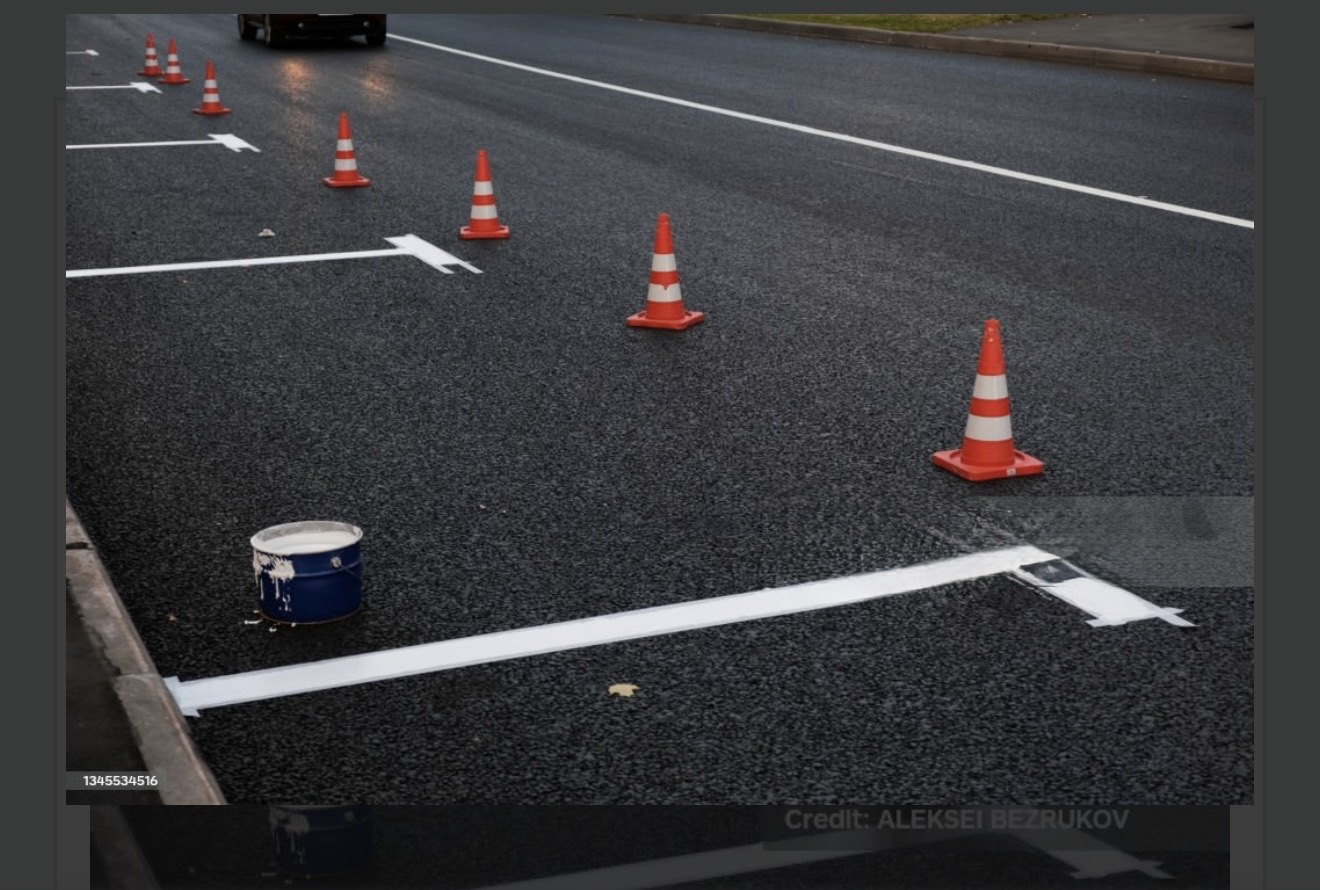
Intersections are among the most dangerous driving environments for police officers. Defensive driving requires officers to approach intersections with caution, even when emergency lights and sirens are activated. Officers must visually confirm that traffic has yielded before proceeding and should never assume the right of way. Similar caution must be applied near schools, markets, residential areas, and roadworks, where pedestrian movement and unexpected hazards are common.
Emergency Driving and Legal Exemptions
While police officers may be granted limited legal exemptions during emergencies, these exemptions do not remove the duty of care owed to the public. Defensive driving requires officers to balance urgency with safety, applying exemptions only when justified and proportionate. Emergency response does not excuse reckless driving. Officers remain accountable for their decisions and must be prepared to justify their actions based on necessity, reasonableness, and risk assessment.
Driver Attitude and Professional Responsibility
Defensive driving is as much about attitude as technique. Officers must avoid complacency, impatience, and emotional driving, particularly after stressful incidents or confrontations. Fatigue, frustration, and overconfidence are major contributors to police vehicle collisions. A professional police driver remains calm, disciplined, and courteous, recognizing that every action on the road reflects on the organization and the wider service.
Conclusion
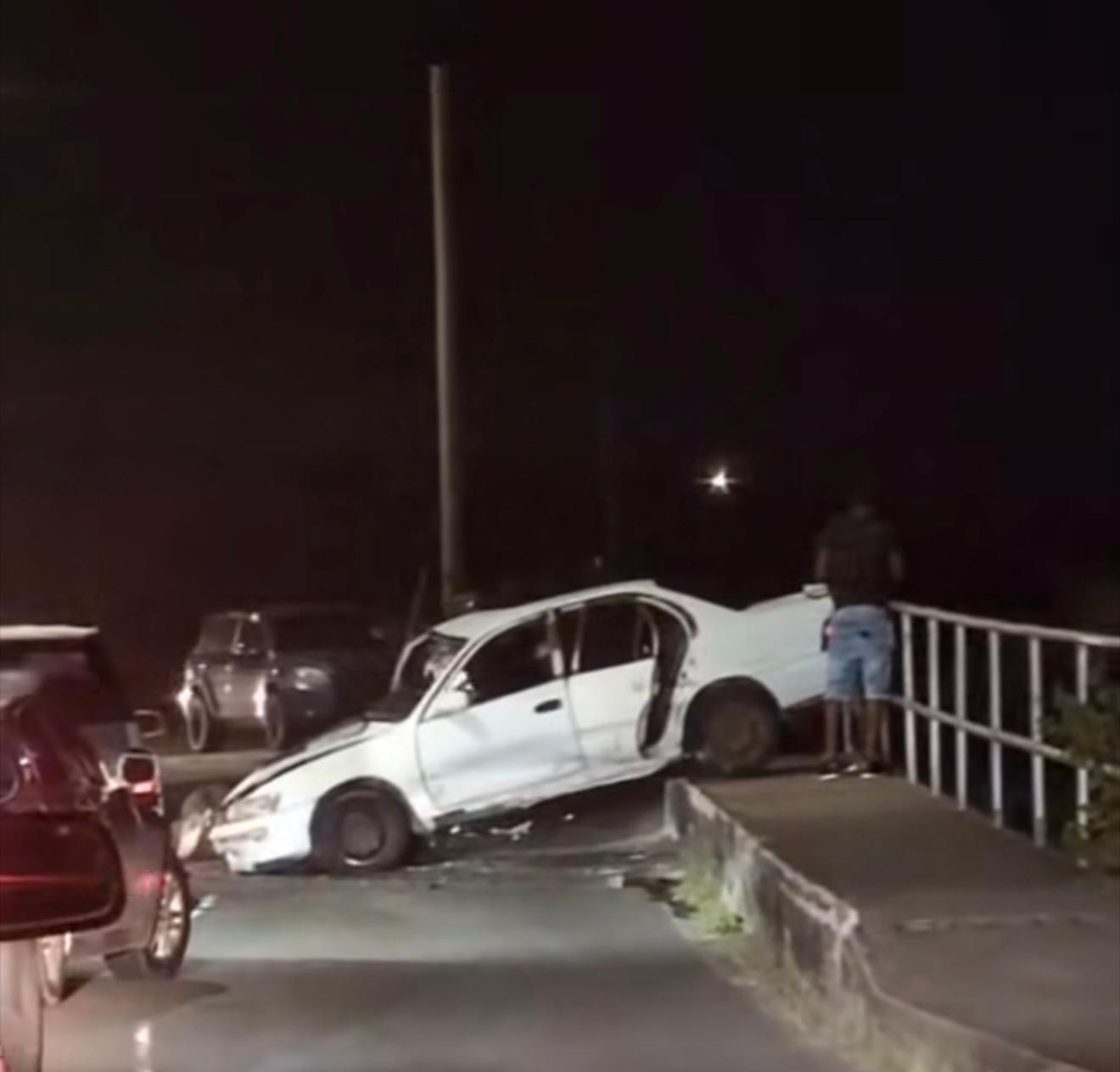
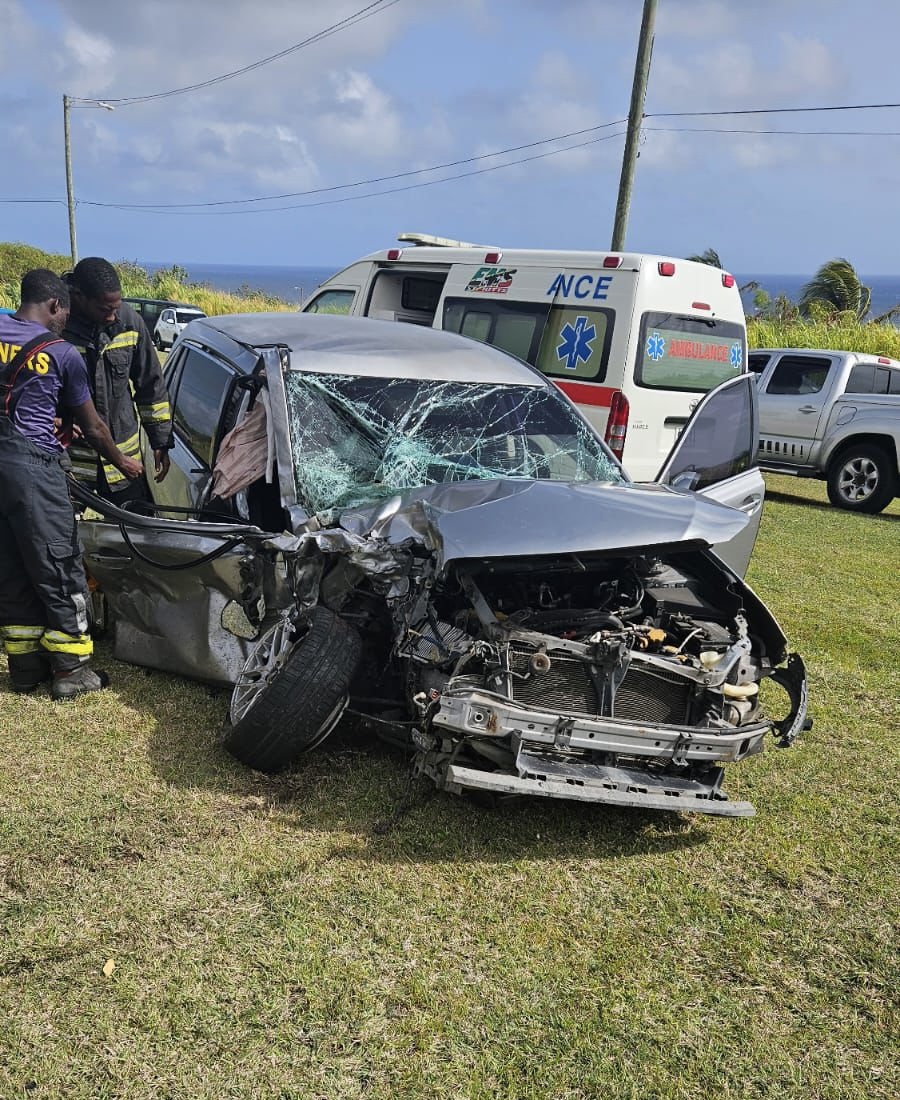
Defensive driving is a continuous discipline that must be practiced on every journey, not only during emergencies. It protects lives, reduces injuries, minimizes vehicle damage, and safeguards public trust in the police. By anticipating hazards, controlling speed and space, exercising restraint, and maintaining professional judgment, police officers can perform their duties effectively while ensuring that they, their colleagues, and the public arrive safely at their destination. Defensive driving is not optional; it is a fundamental obligation of police service.








Royal St.Christopher & Nevis Police Force
Our Vision: A Federation that is a safe place for all to live, visit, work and do business.


Cayon Street

admin@police.kn

869-465-2241
Emergency No.- 911


